
Science and Method
Events
-
-

Marx’s Capital, Vol. II – On the Circulation of Capital
Online Event - Zoom MeetingReading GroupA ten-session study group covering Marx's Capital, Volume II, The Process of Circulation of Capital. Marx addresses the question: How can the reproduction of society as a whole take place, if there is no conscious social planning that ensures that all needs are met, in the necessary proportions, such that life can persist and the capitalist relations of production be sustained? We discover the answer, but we also learn of new contradictions and sources of crisis inherent to capitalist society.
-
-
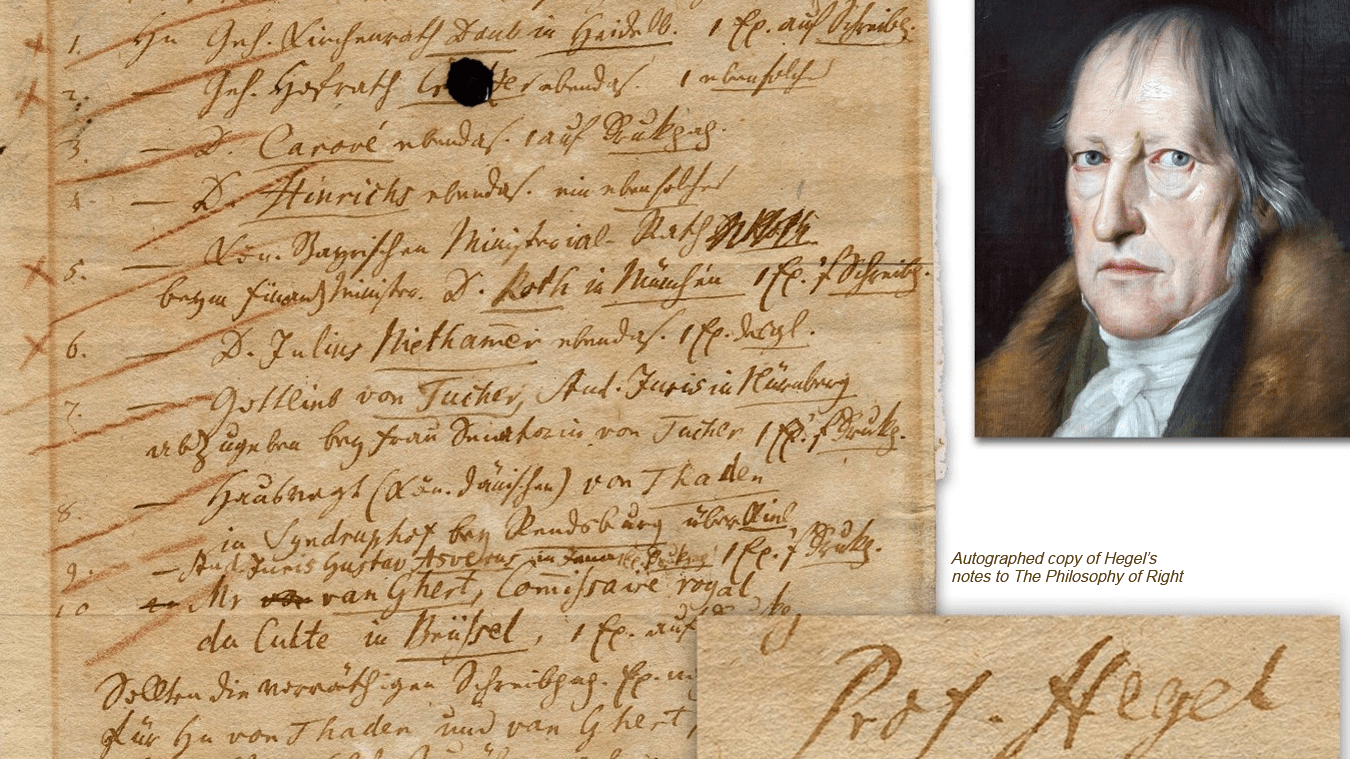
Hegel for Radicals: The Philosophy of Right
Online Event - Zoom MeetingReading GroupThe MEP’s recurring series Hegel for Radicals continues ten sessions on Hegel’s 'Philosophy of Right', a treatise on the meaning of freedom and the kind of institutions that are required for its realization. Our study is inspired by the insight of Andy Blunden, in his recent book, 'The Capital-Logic Debate', that the key to understanding Marx’s dialectical method in his investigation of Capital lies in understanding the method Hegel employed in the Philosophy of Right.
-
-
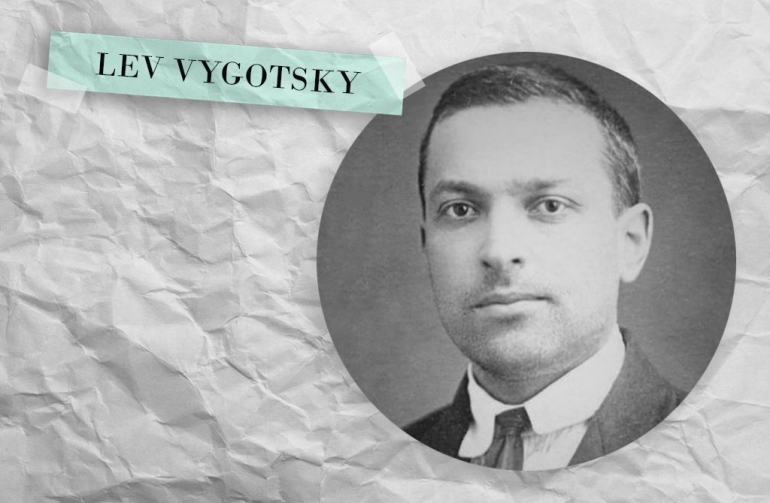
Historical-Materialist Psychology: Vygotsky’s Contribution
FeaturedOnline Event - Zoom MeetingVirtual EventReading GroupCarl Ratner presents a new edition of this six-week series, in which we explore Lev Vygotsky's approach to historical-materialist culture. Vygotsky (1896-1934) was a dedicated academic Marxist who was active in efforts during the revolutionary period to develop socialist cultural institutions and social sciences. He said, “We must learn from Marx’s whole method how to build a science, how to approach the investigation of the mind.”
Get Tickets Free -
Highlights of Capital Volume III: The Automatic Fetish
Online Event - Zoom MeetingReading GroupA weekly study group on Marx's Capital, Volume III, based on Beverley Best's 'The Automatic Fetish.' Marx's work integrates and completes his analysis of capital, enabling us to understand and make sense of how the phenomena we see occurring on the surface of society are related to the underlying system.