
Events
-
-
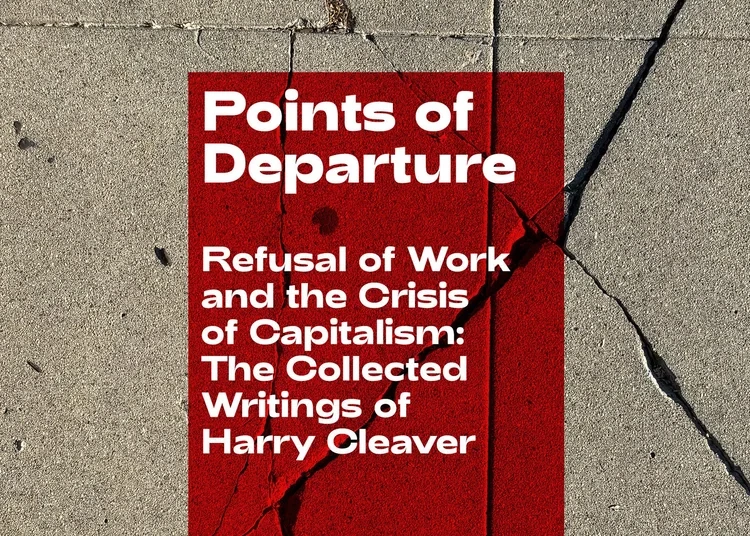
Refusal of Work: The Writings of Harry Cleaver
FeaturedOnline Event - Zoom MeetingVirtual EventBook Event or PanelJoin editors Robert Ovetz and Kevin Van Meter for a discussion of Points of Departure: Refusal of Work and the Crisis of Capitalism: The Collected Writings of Harry Cleaver, a definitive collection of Harry Cleaver’s best unpublished, translated, or lesser known writings – both historical and current – on the refusal of work, class composition and “inversion of the class perspective,” the crisis of capitalism, and the ongoing necessity of re-reading Marxist theory.
Get Tickets Free -
Mikhail Baitalsky’s ‘Notebooks for the Grandchildren’
Online Event - Zoom MeetingVirtual EventBook Event or PanelTranslator Marilyn Vogt-Downey presents a poignant memoir by Mikhail Baitalsky, a Ukrainian survivor of the 1930s purges in Soviet Union. 'Notebooks for the Grandchildren' is an indispensable resource for anyone seeking to understand what went wrong after the great Russian Revolution of 1917.
Get Tickets Free -
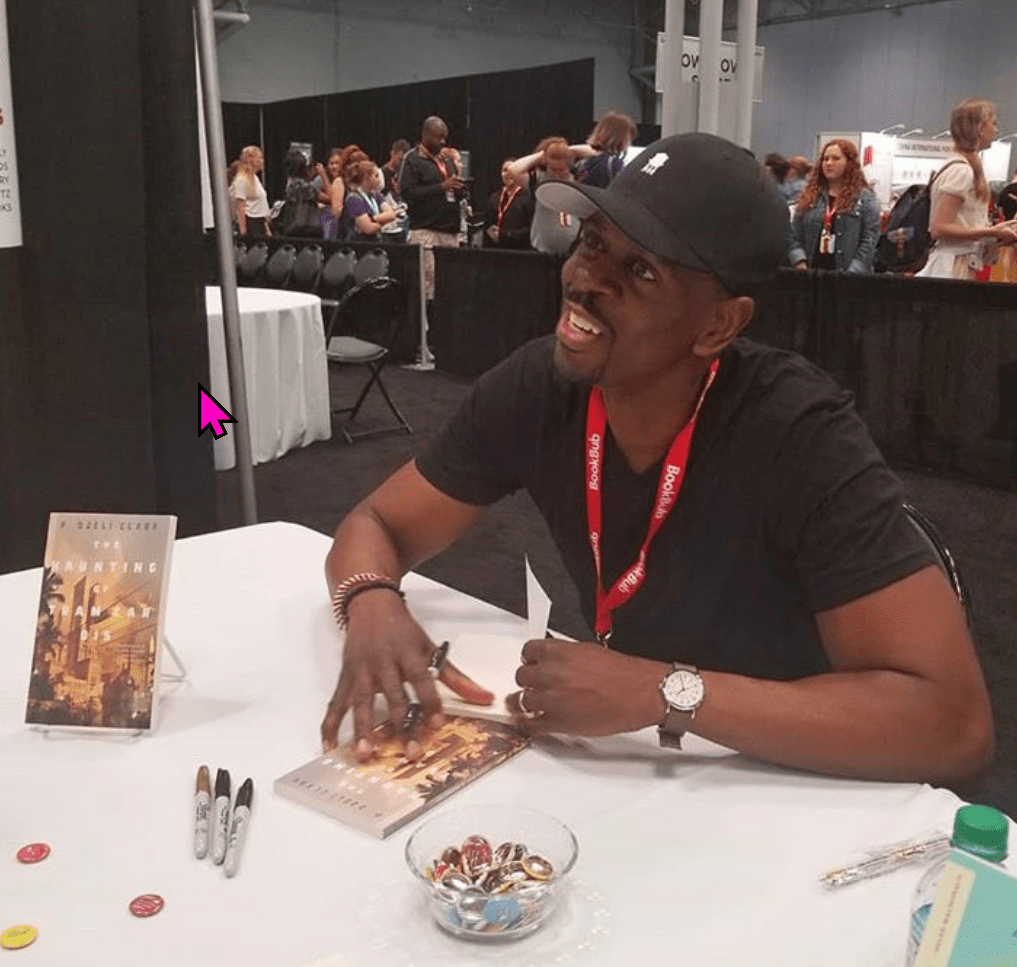
P DJeli Clark on ‘Ring Shout’, Writing Stories, Building Worlds, Usually Fantastic
FeaturedOnline Event - Zoom MeetingBook Event or PanelPhenderson Djéli Clark is the award winning and Hugo, Nebula, Sturgeon, and World Fantasy nominated author of the novel Ring Shout, which MEP's Speculative Fiction will read next. Clark also ... Read more
Get Tickets Free -
-
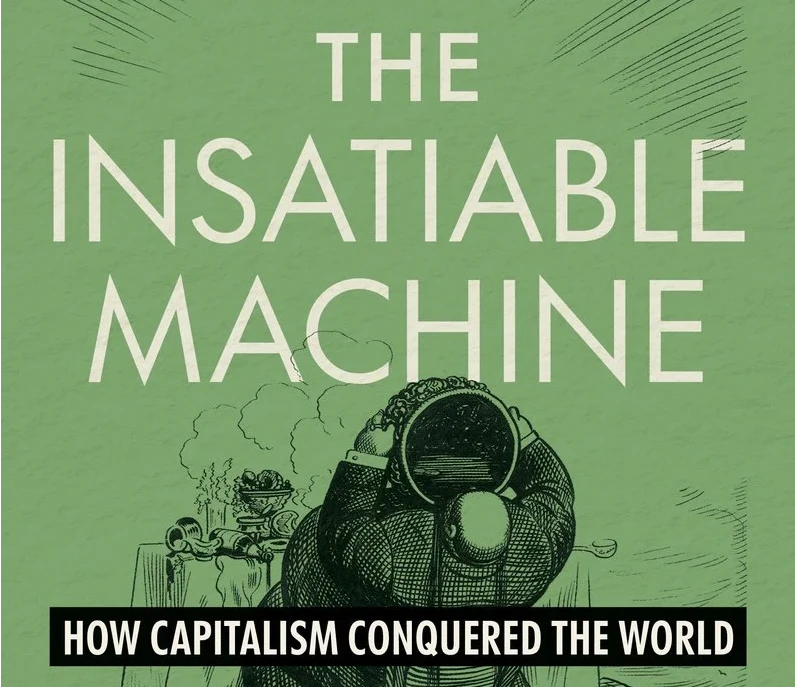
Capitalism: The Insatiable Machine with Trevor Jackson
FeaturedOnline Event - Zoom MeetingVirtual EventBook Event or PanelJoin us for a conversation with Trevor Jackson on his book 'The Insatiable Machine: How Capitalism Conquered the World.' Full of memorable characters and lively vignettes as well as sweeping quantitative analysis and historical synthesis, The Insatiable Machine makes clear that capitalism is neither a natural, permanent, nor inevitable feature of human life but rather an economic system that has a history. And just as it was made by people, it can also be unmade by them.
Get Tickets Free -
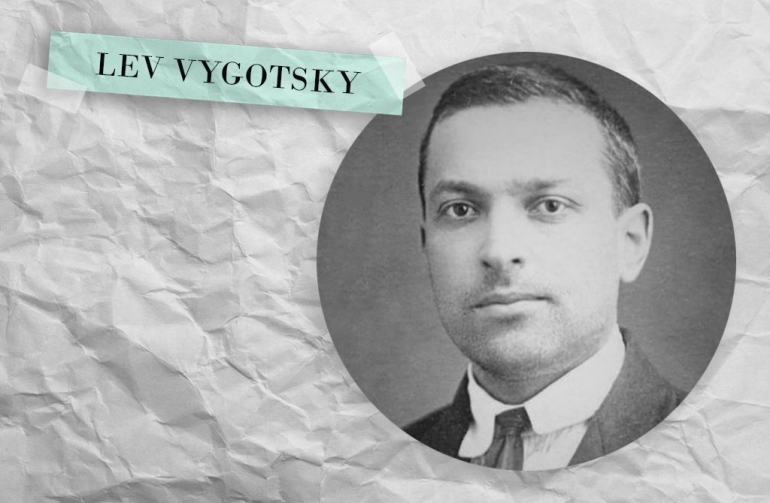
Historical-Materialist Psychology: Vygotsky’s Contribution
FeaturedOnline Event - Zoom MeetingVirtual EventReading GroupCarl Ratner presents a new edition of this six-week series, in which we explore Lev Vygotsky's approach to historical-materialist culture. Vygotsky (1896-1934) was a dedicated academic Marxist who was active in efforts during the revolutionary period to develop socialist cultural institutions and social sciences. He said, “We must learn from Marx’s whole method how to build a science, how to approach the investigation of the mind.”
Get Tickets Free -
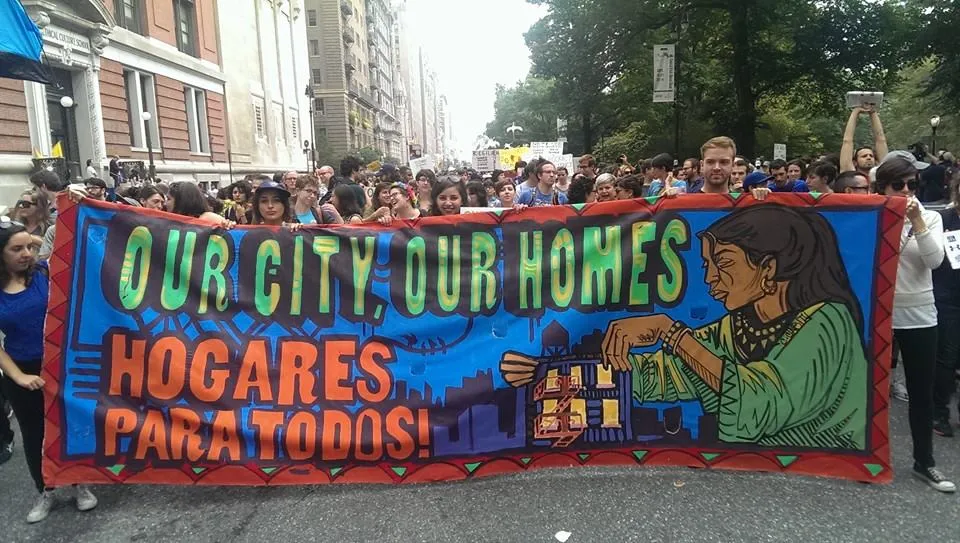
The Works of Henri Lefebvre: Four Lectures
FeaturedOnline Event - Zoom MeetingVirtual EventWe introduce the work of French Marxist theorist Henri Lefebvre through four monthly lectures presented by cultural studies scholar Iván Zatz-Díaz.
Get Tickets Free -
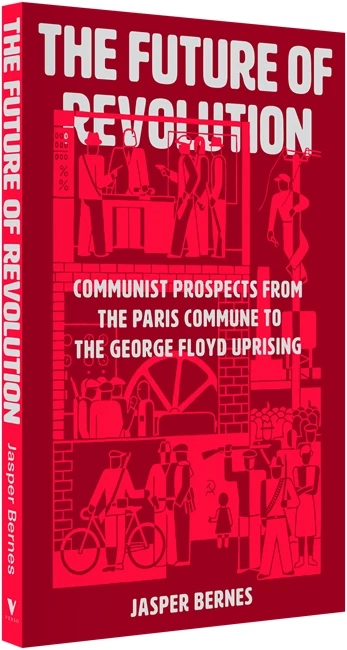
‘The Future of Revolution’ with Jasper Bernes
FeaturedVirtual EventBook Event or PanelHow might a twenty-first-century revolution against class society succeed? Join us for a conversation with Jasper Bernes, author of The Future of Revolution: Communist Prospects from the Paris Commune to the George Floyd Uprising. Communism comes from the future, but its hopes haunt our past. Bernes reads the revolutionary history of workers' councils and communes in the light of thinkers from Karl Marx to Paul Mattick and C.L.R. James.
Get Tickets Free -
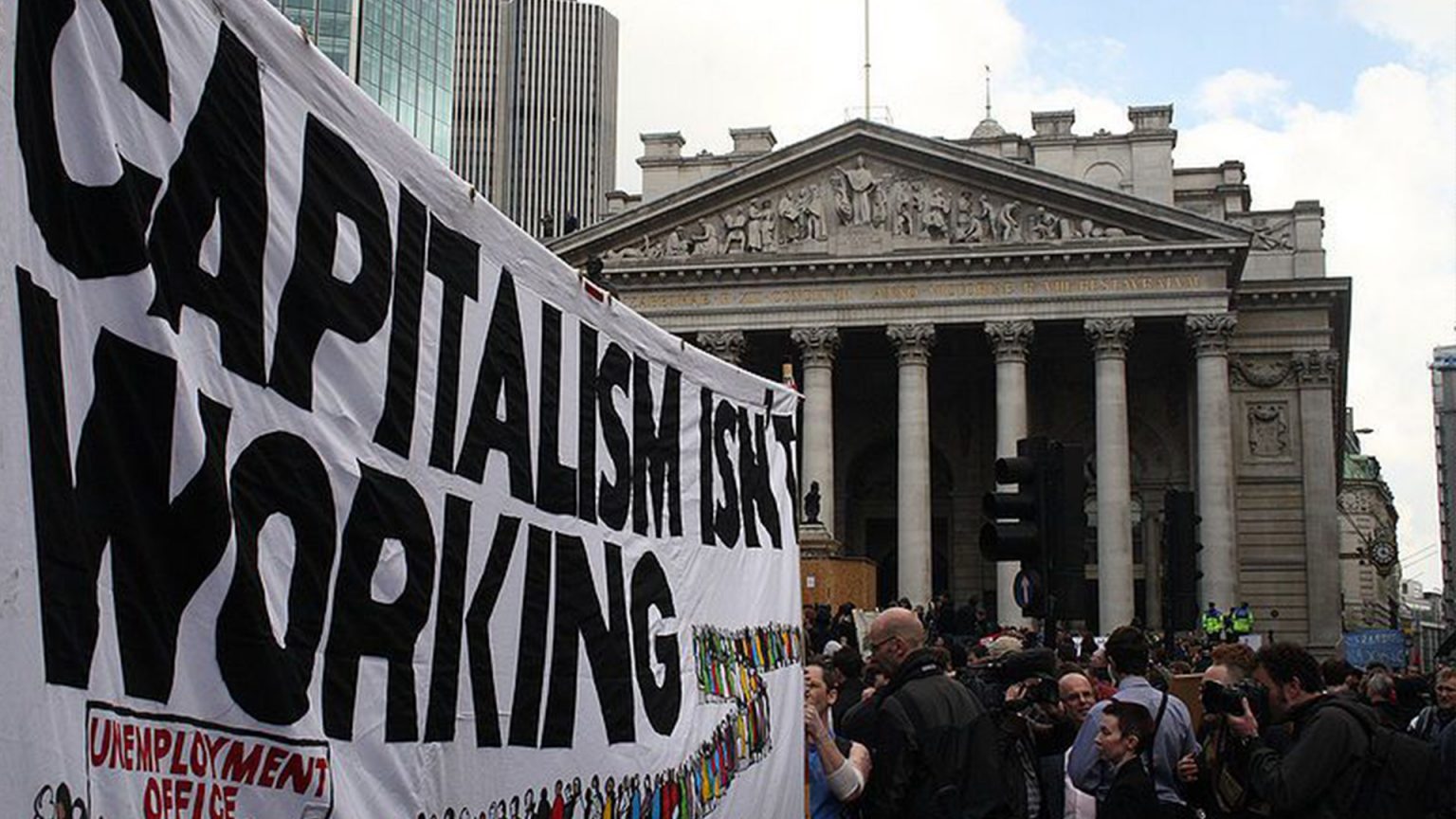
Highlights of Capital Volume III: The Automatic Fetish
Online Event - Zoom MeetingReading GroupA weekly study group on Marx's Capital, Volume III, based on Beverley Best's 'The Automatic Fetish.' Marx's work integrates and completes his analysis of capital, enabling us to understand and make sense of how the phenomena we see occurring on the surface of society are related to the underlying system.
-
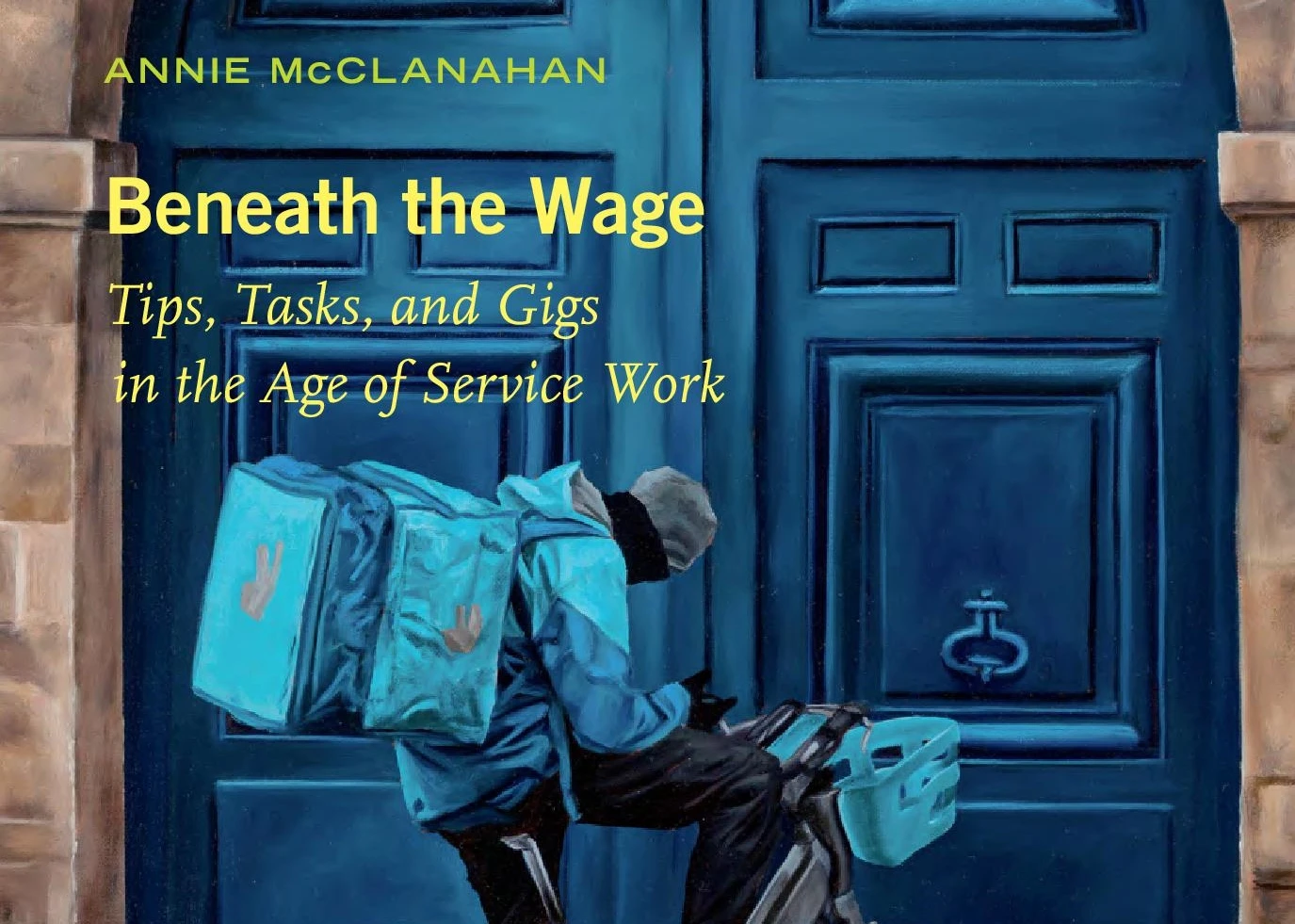
‘Beneath the Wage’ with Annie McClanahan
Online Event - Zoom MeetingVirtual EventBook Event or PanelA conversation with author Annie McClanahan on 'Beneath the Wage: Tips, Tasks, and Gigs in the Age of Service Work.' Today, 80 percent of U.S. workers do service work, from delivering takeout to mopping floors to teaching. Do these jobs have anything in common? Who is doing this work? And what kind of labor politics does it generate?
Get Tickets Free