
Literary Studies
Events
-
-
Women Write Against Fascism
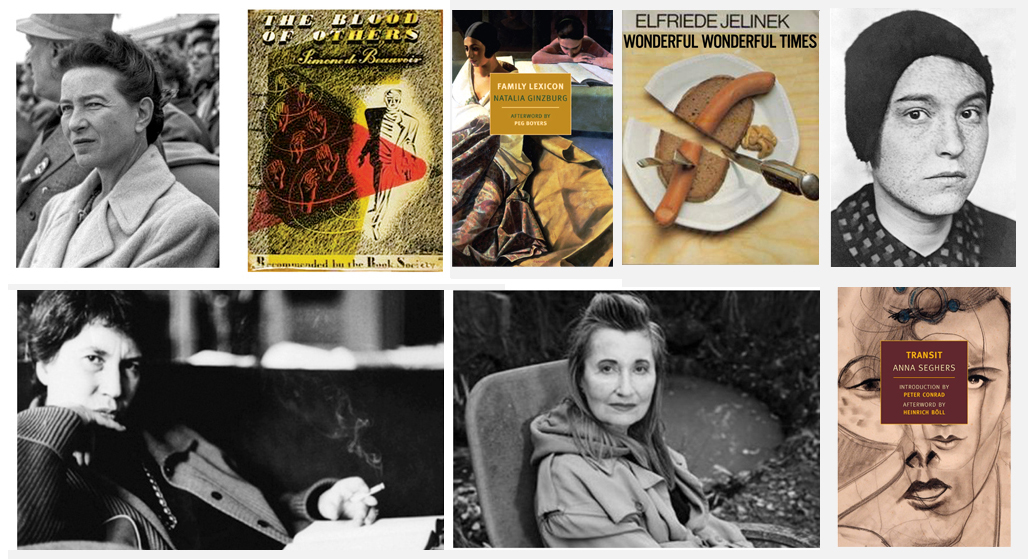
Online Event - Zoom MeetingWe will look at themes around resistance and collaboration. Beauvoir and Ginzburg write of the period occupation by the Nazis in Vichy France and the period of Mussolini's fascist dictatorship in Italy, while Jelinek's Wonderful Wonderful Times describes the lingering effects naziism had during the years of recovery from the fascist years in Austria in society and within a family.
$35 – $55 -
Trotsky in Tijuana: A new novel by Dan La Botz
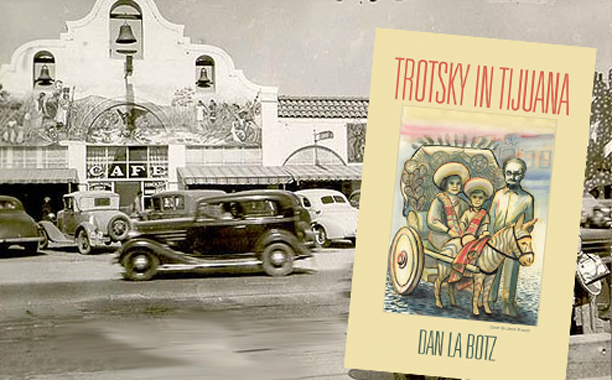
Online Event - Zoom MeetingWho was the Russian revolutionary Leon Trotsky? What did he believe and do? What was his legacy? Dan La Botz’s new novel. Trotsky in Tijuana, examines these questions in fiction.The novel’s premise is that Trotsky was not assassinated in August 1940 but survived and was relocated to Tijuana where he lived on until 1953 dying on the same day as his rival and political opponent Joseph Stalin.
$7 – $11 -
Women Write Against Fascism
Online Event - Zoom MeetingWe will look at themes around resistance and collaboration. Beauvoir and Ginzburg write of the period occupation by the Nazis in Vichy France and the period of Mussolini's fascist dictatorship in Italy, while Jelinek's Wonderful Wonderful Times describes the lingering effects naziism had during the years of recovery from the fascist years in Austria in society and within a family.
$35 – $55 -
-
4 Month Pass:
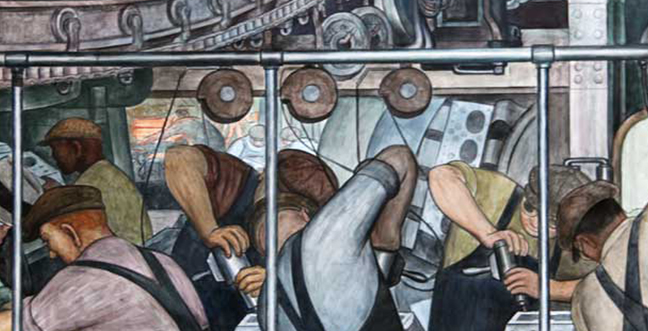
All VenuesFor a one-time sliding scale fee of $100, $150, or $200 attend any and all classes and events of The Marxist Education Project. For $50 more ($100, $150 or $200) bring a guest as often as you would like to the classes, and events between now and May 31, 2021.
$50 – $200 -
-
M.A.D. Lit 101: American Fiction and the Cold War
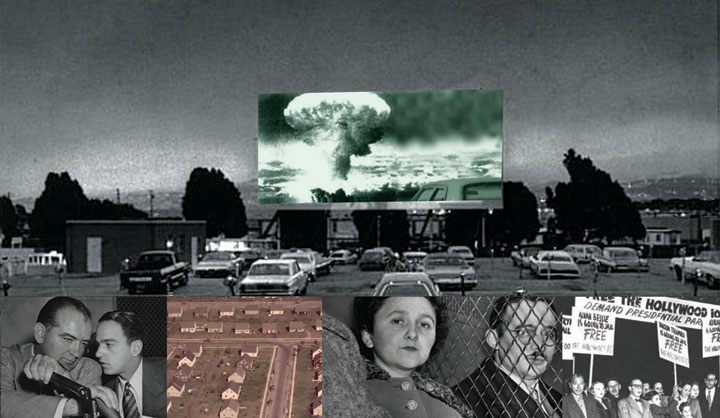
Online Event - Zoom MeetingA reading and discussion of three substantive novels that explain the context of anti-communism as it raged in the years immediately following World War II, has continued throughout the decades since then, and remains strong throughout American culture and popular consciousness today.
$25 – $55 -
M.A.D. Lit 101: American Fiction and the Cold War
Online Event - Zoom MeetingA reading and discussion of three substantive novels that explain the context of anti-communism as it raged in the years immediately following World War II, has continued throughout the decades since then, and remains strong throughout American culture and popular consciousness today.
$25 – $55 -
M.A.D. Lit 101: American Fiction and the Cold War
Online Event - Zoom MeetingA reading and discussion of three substantive novels that explain the context of anti-communism as it raged in the years immediately following World War II, has continued throughout the decades since then, and remains strong throughout American culture and popular consciousness today.
$25 – $55 -
-
M.A.D. Lit 101: American Fiction and the Cold War
Online Event - Zoom MeetingA reading and discussion of three substantive novels that explain the context of anti-communism as it raged in the years immediately following World War II, has continued throughout the decades since then, and remains strong throughout American culture and popular consciousness today.
$25 – $55 -
M.A.D. Lit 101: American Fiction and the Cold War
Online Event - Zoom MeetingA reading and discussion of three substantive novels that explain the context of anti-communism as it raged in the years immediately following World War II, has continued throughout the decades since then, and remains strong throughout American culture and popular consciousness today.
$25 – $55 -
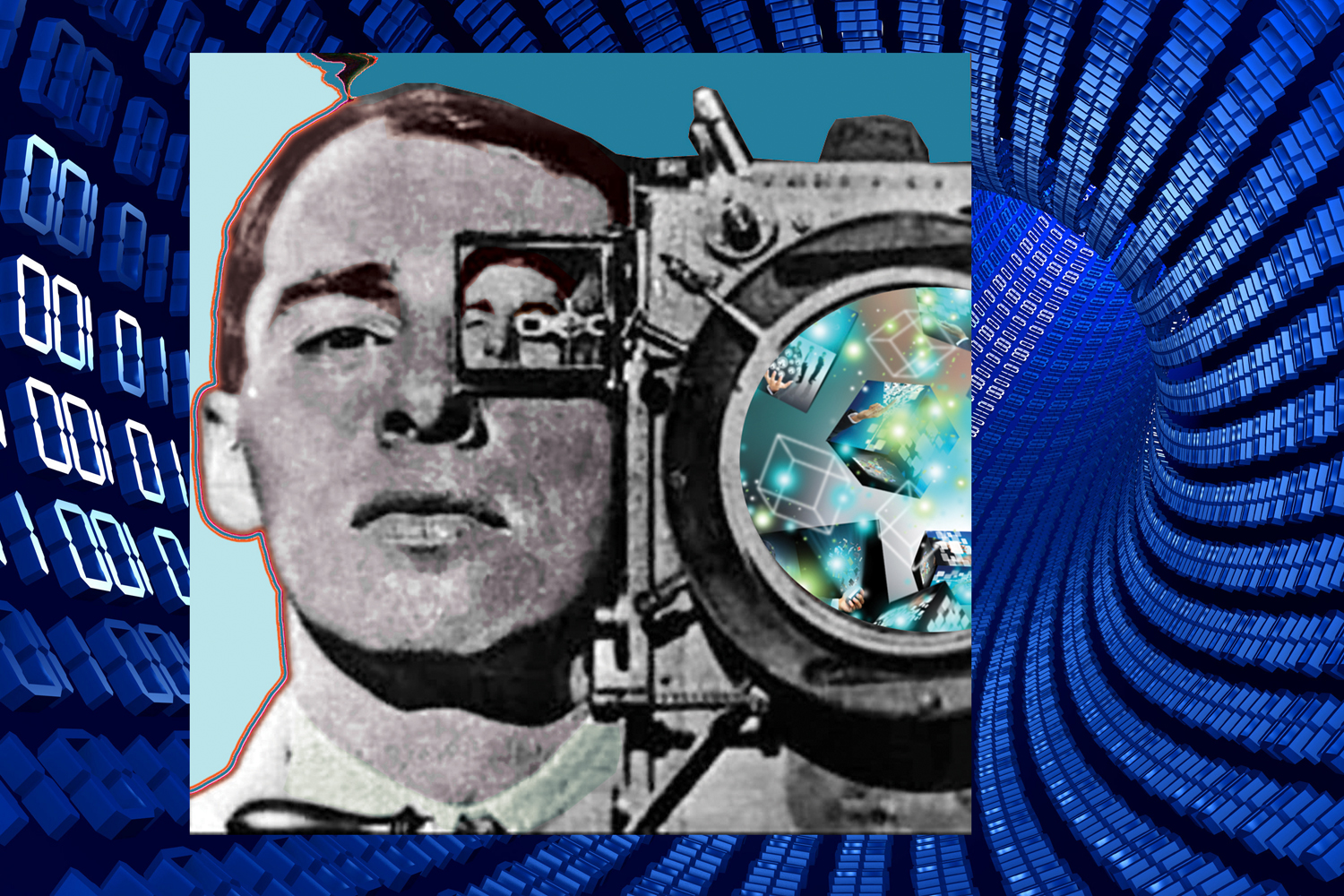
Working Class Cinema in the Age of Digital Capitalism
Online Event - Zoom MeetingWhy does the story of cinema begin with the end of work? Is it because, as has been suggested, it is impossible to represent work from the perspective of labor but only from the point of view of capital, because the revolutionary horizon of the working class coincides with the end of work? After all, the early revolutionary art avant-garde had an ambiguous relationship with capitalism: it provided both a critique of commodification while also reproducing the commodity form.
$7 – $11 -
-

Jesus Christ: Prince of Peace or King of Swords with Shane Mage
Online Event - Zoom MeetingThe Gospels...have absolutely no presumptive value as history. But neither are they pure fiction despite the patent absurdity of the whole Christian theology built upon them and their obviously falsified passages (especially the blood-libel of Jewish Deicide) designed to justify the inherently antisemitic nature of that Christian theology.
$7 – $11 -
-
Matters of State: Literature & Espionage
Online Event - Zoom MeetingWHY SPY NOVELS? Spy novels emerged as a distinct genre around the time of World War I, coinciding with the creation of formal intelligence agencies in many countries. This was a period characterized by heightened concern on the part of rulers about national security, imperial strength, and the impending conflict of the Great War. Spy novels from the early twentieth century reflect these concerns, and generally feature secret agents and seemingly realistic tales of international intrigue. With the rise of fascism, spy novels shifted their focus to examine the dynamics of political movements within individual states, assessing their threats to the stability of the international political order. In these stories, the anxiety over the powerlessness of the individual is assuaged by the resourcefulness and ultimate success of exceptional or lucky individuals in confronting such harrowing problems as war, nuclear proliferation, and terrorism.
$24 – $36 -
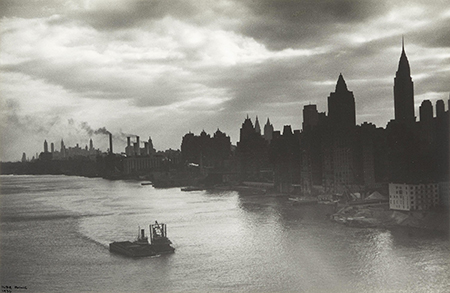
New York City and the Experience of Modernity
Online Event - Zoom MeetingThis is a seminar about New York City and its people. It is not a study of architectural styles and objects, - although the physical stuff of cities does play a role -, but it is a course about the experience of the way in which modernity builds and destroys cities.
Modernity is a historical force. It is messy. In architecture history modernity is usually narrated as an interplay between the combined forces of the Industrial Revolution and capital, with social upheaval, explosive population growth and immigration as its result...
$30 – $60 -
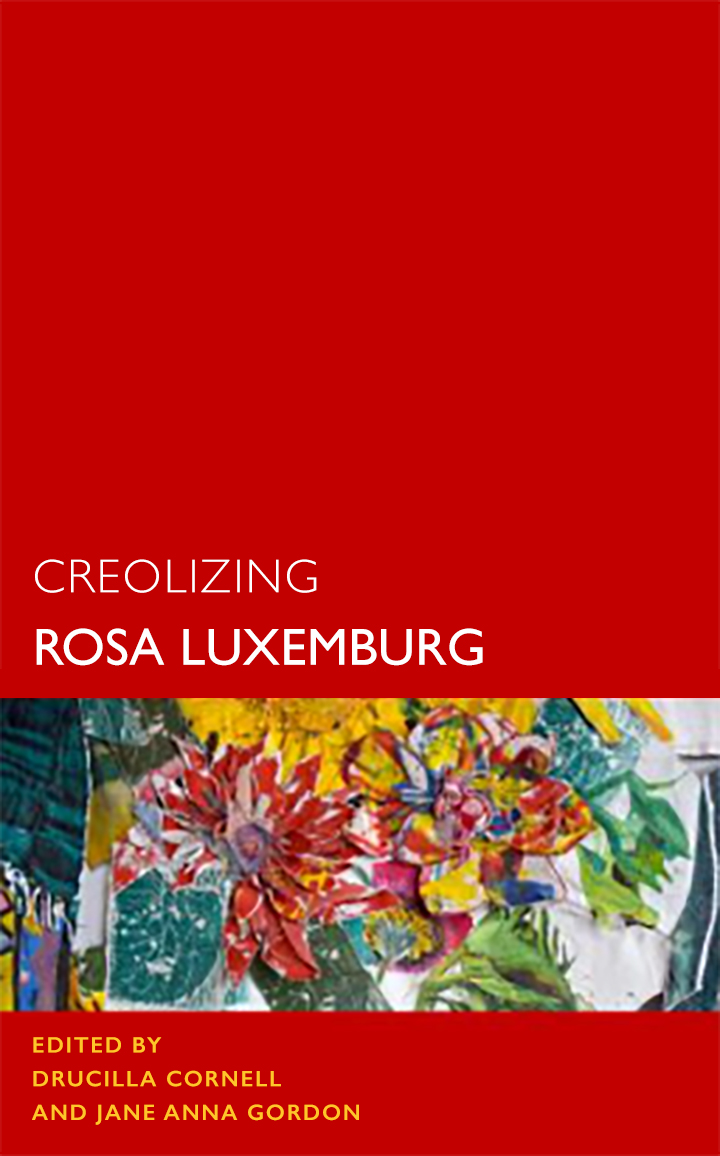
Creolizing Rosa Luxemburg: Reconsidering Primitive Accumulation
Online Event - Zoom MeetingThis session will be devoted to engaging with Rosa’s pivotal reworking of the concept of primitive accumulation, with attention to historical and contemporary South Africa, medieval European race-making and its legacies, and contemporary commodification of women’s reproductive labor.
$7 – $9 -
Matters of State: Literature & Espionage
Online Event - Zoom MeetingWHY SPY NOVELS? Spy novels emerged as a distinct genre around the time of World War I, coinciding with the creation of formal intelligence agencies in many countries. This was a period characterized by heightened concern on the part of rulers about national security, imperial strength, and the impending conflict of the Great War. Spy novels from the early twentieth century reflect these concerns, and generally feature secret agents and seemingly realistic tales of international intrigue. With the rise of fascism, spy novels shifted their focus to examine the dynamics of political movements within individual states, assessing their threats to the stability of the international political order. In these stories, the anxiety over the powerlessness of the individual is assuaged by the resourcefulness and ultimate success of exceptional or lucky individuals in confronting such harrowing problems as war, nuclear proliferation, and terrorism.
$24 – $36